

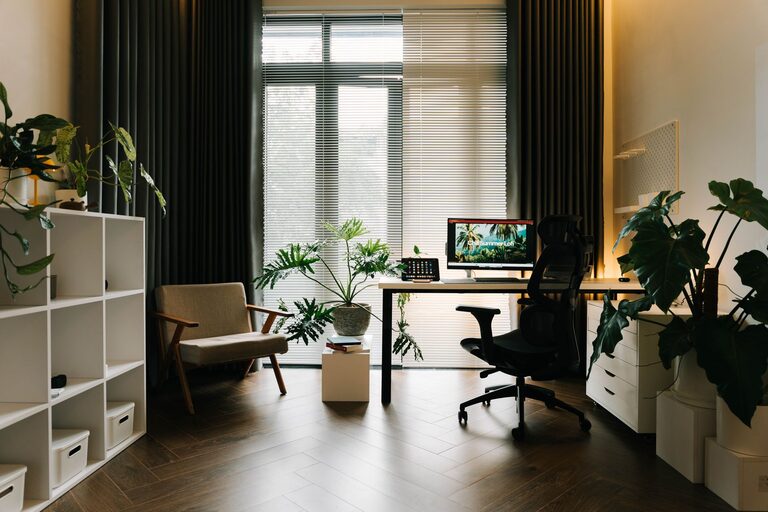
Creating a home office that is both cozy and productive can transform the way you work and help you maintain a healthy work-life balance. Whether you’re working remotely full-time or occasionally, having a dedicated workspace that feels inviting yet practical is key. Here are some helpful tips to design a home office that supports your focus and comfort, making your workdays more enjoyable and efficient.
Choose the Right Location
The first step in creating a cozy and productive office is selecting the right spot in your home. Ideally, pick a quiet area with minimal distractions where you can concentrate easily. A spare room, a section of the living room, or a quiet corner also work well. Make sure the space gets enough natural light, as sunlight can boost mood and energy.
Prioritize Comfort With Your Furniture
Comfort is crucial when you spend several hours working. Invest in a good ergonomic chair to support your posture. Your desk should be the right height to avoid strain on your wrists and shoulders. If space permits, a standing desk or a desk converter can also add variety to your working posture and help reduce fatigue.
Optimize Lighting for Focus
Lighting affects both mood and productivity. Use a combination of natural light and adjustable artificial light sources. Position your desk near a window if possible. For cloudy days or evening work sessions, a desk lamp with adjustable brightness and color temperature can reduce eye strain and keep you focused.
Keep the Space Organized
Clutter can interfere with productivity. Use shelves, filing cabinets, or storage boxes to keep your office supplies and documents neatly arranged. Cable organizers help control cords and power strips to keep the area tidy. A clean workspace promotes a clear mind and reduces distractions.
Personalize Your Workspace
Adding personal touches can make your office space inviting. Display artwork or photos that inspire you, or place a few small plants. Plants not only improve air quality but also add warmth and a sense of calm. Avoid overdecorating, as too many items can become distracting.
Use Color Wisely
Choosing the right colors can influence your mood and efficiency. Soft neutrals or pastels promote a calm environment, while brighter colors like yellow or green can stimulate creativity and energy. Consider adding an accent wall or colorful accessories, like a rug or cushions, to add personality without overwhelming the space.
Manage Noise Levels
Depending on your home environment, noise may be distracting. To reduce background noise, consider noise-cancelling headphones or a white noise machine. If possible, add rugs and curtains to absorb sound, creating a quieter and more peaceful workspace.
Incorporate Technology Thoughtfully
Make sure your office has reliable internet connectivity and the necessary tech tools for your work such as a good quality monitor, keyboard, and mouse. Declutter digital space by organizing your files and regularly updating software to maintain efficiency.
Set Boundaries for Work and Relaxation
Working from home can blur the lines between professional and personal time. Create clear boundaries by sticking to a schedule and using your designated office space only for work. When your day is over, close the door or cover your desk to signal the end of work mode.
Add Comfort Items
Small touches like a cozy throw blanket, a comfortable cushion, or a quality coffee mug can enhance your comfort throughout the day. They make your workspace feel welcoming and encourage you to spend time being productive.
—
By blending comfort with good organization and thoughtful design, your home office can become a place you look forward to working in every day. Remember, the key is to create a space that supports your work habits and makes you feel good, helping you be both cozy and productive.